Everyday Health Situation: Understanding Medicine in Daily Life
Imagine this: it’s a rainy Monday in Mumbai. After a long, cramped commute in the monsoon-drenched local trains, you feel a tickle in your throat. By evening, a runny nose, mild fever, and fatigue have set in. You reach for a familiar over-the-counter tablet—maybe paracetamol—from your medicine cabinet. Within hours, the symptoms subside enough for you to join your family for dinner.
- Everyday Health Situation: Understanding Medicine in Daily Life
- Medical Explanation: How Medicine Works in the Body
- Why This Matters for Patients in India
- Common Misconceptions About Medicine
- What Doctors Usually Recommend
- Doctor’s Perspective
- Prevention & Lifestyle Support
- Future Outlook: Medical Progress in India
- Responsible, Reassuring Conclusion
- Patient-Focused Question
- FAQs: Medicine Basics in India (2026 Edition)
But have you ever stopped to wonder why that tablet worked? What actually happens in your body when medicine “takes effect”? And why do different medicines treat different ailments? Understanding these basics can empower you to take control of your health rather than blindly rely on pills.
Medical Explanation: How Medicine Works in the Body
Medicine is the science and practice of diagnosing, treating, and preventing disease to maintain or restore health. When the body is unwell, something disrupts its natural balance—such as a virus entering cells during a cold, causing inflammation and symptoms like fever, cough, or body aches.
Medicines act like precise tools, designed to correct these disruptions:
- Painkillers (Analgesics): Block pain signals in the brain or reduce inflammation at the site of injury.
- Antihistamines: Calm overactive immune responses, relieving allergy symptoms like sneezing or watery eyes.
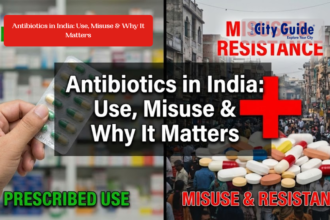
- Antibiotics: Kill or inhibit bacteria—but remember, they do not work against viruses.
In India, medicines are often formulated to address tropical and urban health issues, such as dengue, typhoid, or seasonal flu. They enter the body via pills, injections, syrups, or inhalers, get absorbed into the bloodstream, and travel to the affected area to trigger changes at a cellular level.
For example, paracetamol reduces fever by acting on the brain’s hypothalamus, which regulates body temperature. This is a subtle but powerful example of how medicine works in harmony with your body’s natural processes.
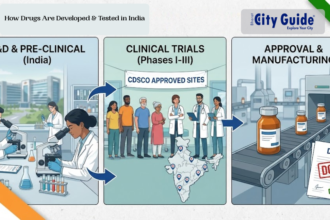
This entire process is backed by evidence-based medicine—treatments proven safe and effective through clinical trials and regulated by authorities such as India’s Central Drugs Standard Control Organization (CDSCO) and global regulators like the World Health Organization (WHO).
Why This Matters for Patients in India
Understanding the science behind medicine can empower patients. India, with over 1.4 billion people, presents unique healthcare challenges: urban centers with advanced multispecialty hospitals coexist with rural areas relying on primary health centers (PHCs).
Being aware of how medicine works helps you:
- Make informed decisions rather than relying on word-of-mouth remedies.
- Prevent misuse of drugs like antibiotics, reducing antimicrobial resistance.
- Improve management of chronic conditions, such as diabetes (77 million Indians affected according to ICMR) or hypertension.
- Increase adherence to prescribed treatment, improving outcomes and reducing hospital visits.
Common Misconceptions About Medicine
- “It’s a magic pill.”
Many believe medicine cures instantly. Reality: medicine supports your body’s healing, it doesn’t replace your immune system. - “Natural is always safe.”
Herbal or desi remedies may interact with conventional drugs, sometimes dangerously. - “English medicine vs. Desi medicine.”
Some avoid clinically-proven medicines in favor of traditional remedies. Awareness and consultation prevent neglecting effective treatments.
What Doctors Usually Recommend
Doctors don’t prescribe randomly—they follow a systematic approach:
- Medical History: Symptoms, lifestyle habits, allergies, and chronic conditions.
- Purpose & Expectations: Clear explanation of the medicine, dosage, duration, and potential side effects.
- Evidence-Based Advice: For viral colds, the standard recommendation is rest, hydration, and symptomatic relief (like paracetamol), not antibiotics.
Doctor Tip: Always complete the full course of prescribed medicine and report side effects promptly.
Doctor’s Perspective
“As a general physician in Delhi, I see patients daily assuming medicine fixes everything overnight. Medicine is a bridge to recovery, not a magic wand. Educating patients fosters trust and better outcomes,”
— Dr. Priya Sharma, Senior Consultant, General Medicine.
This reflects a common truth in India: patients who understand their treatment are more likely to follow it correctly, improving recovery rates and minimizing complications.
Prevention & Lifestyle Support
Medicine is most effective when paired with healthy lifestyle habits:
- Balanced Diet: Staples like dal, roti, vegetables, and fruits. Avoid excessive fried or processed foods.
- Sleep: Aim for 7-8 hours, crucial for immune function.
- Hydration: 3-4 liters daily in humid summers.
- Exercise: Brisk walking, yoga, or household activities maintain cardiovascular and mental health.
India’s Ayushman Bharat scheme promotes preventive check-ups, vaccinations, and health education—resources that complement medicine.
Future Outlook: Medical Progress in India
The next decade promises revolutionary advancements:
- Nanomedicine: Tiny particles deliver drugs directly to diseased cells, reducing side effects.
- AI in Drug Discovery: Indian labs like CSIR are already using AI to identify new drug candidates faster and more accurately.
- Personalized Medicine: Treatment tailored to your genetics, lifestyle, and environment for better outcomes.
These innovations suggest a future where medicine is more precise, effective, and safer, particularly in India’s diverse healthcare landscape.
Responsible, Reassuring Conclusion
Medicine is your ally, not a miracle cure. Understanding how it works turns health from a mystery into a manageable, informed process. Next time you feel under the weather, you’ll be equipped to ask the right questions and follow guidance confidently.
Remember: prevention, awareness, and partnership with your doctor maximize the benefits of medicine. Knowledge truly empowers patients in India’s complex healthcare system.
Patient-Focused Question
What everyday symptom has made you wonder how medicine truly helps—and have you discussed it with your doctor? Share your experience—it could help others understand medicine better.
FAQs: Medicine Basics in India (2026 Edition)
Q1: Can I take antibiotics for a common cold?
A: No. Colds are caused by viruses, and antibiotics target bacteria. Misuse can lead to antimicrobial resistance, a growing concern in India.
Q2: How do I know if my medicine is safe?
A: Check for approval by CDSCO in India and follow your doctor’s prescription. Avoid unverified online remedies or unregulated herbal supplements.
Q3: What’s the difference between symptom relief and treatment?
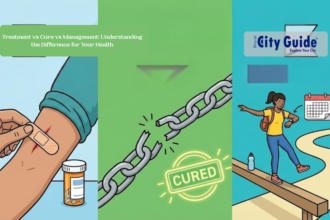
A: Symptom relief (like paracetamol for fever) reduces discomfort but doesn’t cure the underlying cause. Treatment addresses the root issue, e.g., antibiotics for bacterial infection.
Q4: How important is lifestyle alongside medicine?
A: Vital. A balanced diet, regular sleep, exercise, and hydration enhance medicine’s effectiveness and reduce disease recurrence.
Q5: Can medicine interact with herbal or home remedies?
A: Yes. Some herbal supplements can reduce effectiveness or cause side effects when combined with conventional drugs. Always consult your doctor.
Key Medical Takeaways
- Medicine supports body’s natural healing by targeting infections, inflammation, or other disruptions.
- It works at cellular level and is backed by clinical trials, CDSCO, and WHO standards.
- Not a “magic cure”—best used alongside lifestyle modifications and doctor guidance.
- Natural ≠ always safe; verify interactions before use.
Prevention via diet, sleep, exercise, and regular check-ups amplifies medicine’s effectiveness.