Tired of hearing “cut carbs” from Instagram while your family insists rice is non-negotiable at every meal?
Confused about whether ghee is healing or harmful?
Wondering why you eat a full thali yet feel bloated, tired, or hungry again in two hours?
- The Relatable Rush Hour: When Macros Go Wrong
- What Are Macros, Really? (Zero Confusion Version)
- What Research Reveals About Indian Macro Intake (2026 Context)
- Carbohydrates: Not the Enemy—Just Misused
- Proteins: The Most Underrated Indian Macro
- Fats: The Missing Satisfaction Macro
- The Ideal Macro Balance for Indian Meals
- Real-Life Fixes (That Don’t Fight Your Family)
- Easy Indian Swaps (Macros in Action)
- Common Macro Slip-Ups
- Bonus Macro Nuggets
- Lifetime Gains of Balanced Macros
- Conclusion: You Don’t Need Less Food—You Need Better Balance
- Frequently Asked Questions (FAQ)
- Today’s Food Habit Tip
- Reflection Question
You’re not failing at nutrition—you’re just missing clarity about macros.
Macros (short for macronutrients) are simply the three big nutrients your body needs every single day:
- Carbohydrates for energy
- Proteins for repair and strength
- Fats for satiety, hormones, and vitamin absorption
No charts.
No calorie math.
No imported superfoods.
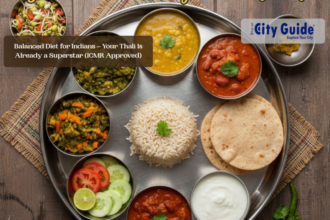
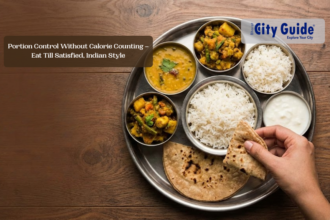
Just dal, roti, sabzi, curd—and smarter portions.
The Relatable Rush Hour: When Macros Go Wrong
Picture this.
You’re a busy wellness coach in Gujarat. Morning client calls run long. By 11:30 am, you grab leftover sabzi and two rotis. It fills your stomach—but an hour later, you feel:
- Bloated
- Sleepy
- Still mentally unsatisfied
What happened?
Not a digestion issue.
Not “low metabolism.”
👉 Your macros were out of balance.
Likely scenario:
- Too many simple carbs (refined wheat, potato-heavy sabzi)
- Too little protein
- Almost no fat
Your body got volume—but not the signals for fullness, stability, and sustained energy.
What Are Macros, Really? (Zero Confusion Version)
Macros = Macronutrients = nutrients your body needs in large amounts daily.
They do different jobs:
🟡 Carbohydrates
→ Provide quick and steady energy
🔵 Proteins
→ Build and repair muscles, organs, enzymes, hormones
🟢 Fats
→ Create satiety, support hormones, absorb vitamins (A, D, E, K)
Micronutrients (vitamins, minerals) are important—but without balanced macros, they can’t do their job well.
Think of macros as the structure of the meal.
Micros are the polish.
What Research Reveals About Indian Macro Intake (2026 Context)
According to ICMR and updated Indian dietary pattern studies, the macro imbalance in India is clear:
- 65–70% of calories from carbohydrates
- Less than 10% from protein (recommended: 15–20%)
- Fat intake varies wildly—either too low or too refined
Why this matters:
- High-carb, low-protein diets increase fat gain, even without overeating
- Protein deficiency worsens muscle loss, insulin resistance, fatigue
- Poor-quality fats increase heart disease risk (India’s top killer)
This isn’t about blaming rice or roti.
It’s about portion intelligence and quality.
Carbohydrates: Not the Enemy—Just Misused
Carbs are your body’s preferred fuel.
Your brain alone needs ~120g glucose per day to function optimally.
✔️ Good Indian Carb Sources
- Whole wheat roti
- Brown rice
- Millets (bajra, jowar, ragi)
- Oats
- Fruits
- Root vegetables (in moderation)
❌ Problematic Carb Patterns
- White rice + potato + no protein
- Biscuits + chai breakfasts
- Refined flour snacks
- Sugary drinks
Brown Rice vs White Rice (The Truth)
- Brown rice digests slower
- Lower glycaemic spike
- Better for energy consistency
- Still culturally compatible
Carbs aren’t bad—lonely carbs are.
They need protein and fat as company.
Proteins: The Most Underrated Indian Macro
Protein is where most Indian meals quietly fail.
Common Myth:
“Indian food already has enough protein.”
Reality:
Most thalis have 8–12g protein, while adults need 20–30g per meal.
Why Protein Matters Daily
- Preserves muscle (especially after 30)
- Improves blood sugar control
- Increases satiety
- Supports immunity and recovery
Excellent Vegetarian Protein Sources
- Dal, chana, rajma, lobia
- Paneer, curd, hung curd
- Soybeans, soya chunks
- Sprouts
- Nuts & seeds
Protein Requirement (2026 Consensus)
- ~1g per kg body weight daily
- Spread across meals
- No need for supplements unless advised
👉 20g protein per meal is achievable with dal + curd or paneer.
Fats: The Missing Satisfaction Macro
If you eat and still crave snacks—fat is likely missing.
Fats:
- Slow digestion
- Trigger fullness hormones
- Support brain and hormone health
✔️ Healthy Indian Fats
- Mustard oil (rich in omega-3)
- Groundnut oil
- Ghee (1–2 tsp/day)
- Coconut (small amounts)
- Nuts and seeds
❌ Harmful Fats
- Reused frying oil
- Trans fats (bakery items, namkeen)
- Excess refined seed oils
Myth Busting:
All fats are not bad.
Omega-3 rich fats protect the heart better than fat-free diets ever could.
The Ideal Macro Balance for Indian Meals
Based on Harvard reviews + Indian food patterns, a thali-friendly macro split looks like this:
- 50% carbohydrates → roti, rice, millets
- 25% protein → dal, paneer, curd, legumes
- 25% fats → oil, nuts, seeds, ghee
This:
- Stabilizes blood sugar
- Improves fullness
- Prevents overeating later
- Supports long-term weight balance
No weighing.
No tracking apps.
Real-Life Fixes (That Don’t Fight Your Family)
Add—Don’t Remove
- Extra spoon of dal
- Side of curd
- Handful of peanuts or seeds
Build Protein Anchors
Every meal should have a clear protein source, not just “whatever’s there”.
Use Fat Intentionally
A teaspoon of ghee on dal improves vitamin absorption and satisfaction.
Easy Indian Swaps (Macros in Action)
Breakfast
❌ Plain toast
✅ Besan chilla (carb + protein + fat)
Lunch
❌ Rice + potato sabzi
✅ Rajma rice + salad + tadka fats
Evening Snack
❌ Namkeen
✅ Roasted chana + yogurt
Dinner
❌ Roti + dry sabzi
✅ Palak paneer + bajra roti
Same kitchen.
Better balance.
Common Macro Slip-Ups
❌ “All fats make you fat”
Truth: Excess calories do. Good fats protect hormones.
❌ “Protein is only for gym people”
Truth: Protein preserves muscle for everyone.
❌ “Indian vegetarian diets can’t meet needs”
Truth: Variety solves this completely.
Bonus Macro Nuggets
- Turmeric + fat improves curcumin absorption
- Dal + rice together form complete protein
- Protein first bites reduce sugar spikes
- Fat delays hunger, not metabolism
Lifetime Gains of Balanced Macros
When macros are right:
- Heart disease risk drops
- Blood sugar stabilizes
- Weight regulates naturally
- Energy stays steady
- Focus improves (huge for creators & coaches)
No obsession.
No extremes.
Just consistency.
Conclusion: You Don’t Need Less Food—You Need Better Balance
Your dal-roti isn’t the problem.
Your culture isn’t broken.
Your food is powerful—when portioned wisely.
Macros aren’t rules.
They’re tools.
Tweak proportions, respect protein, include fats—and your body will respond fast.
You already have everything you need in your kitchen.
Now you know how to use it.
Frequently Asked Questions (FAQ)
Q1. Should Indians reduce carbs to lose weight?
No. Quality and balance matter more than cutting carbs.
Q2. How much protein should I eat per meal?
Aim for 20–30g per main meal.
Q3. Is ghee healthy daily?
Yes, in moderation (1–2 tsp), especially with dal or vegetables.
Q4. Are millets better than wheat?
They offer variety and better fiber—but balance matters more than swapping everything.
Q5. Can macros help diabetes prevention?
Yes. Balanced macros improve insulin sensitivity and sugar control.
Today’s Food Habit Tip
👉 Include a palm-sized portion of protein (dal, paneer, curd) in every main meal.
Reflection Question
💭 Which macro do you think your typical lunch lacks the most—protein, fat, or quality carbs?