Ever popped a multivitamin thinking it “covers everything,” while the fresh sabzi on your plate quietly goes uneaten?
- What Are Micronutrients? (The Simple Definition)
- The Daily Dilemma: When Micros Go Missing
- Why Micronutrients Matter More Than You Think (2026 Reality)
- Vitamins vs Minerals: What’s the Difference?
- Micronutrients Indians Commonly Miss
- Your Masala Dabba: A Micronutrient Goldmine
- Science Made Simple: The ICMR Plate Rule
- What Works Everyday (No Tracking Needed)
- Absorption Hacks Indians Should Know
- Pitfalls to Skip
- Practical Indian Meal Ideas (Micronutrient-Rich)
- Bonus Micronutrient Insights
- Long-Term Wins of Micronutrient Sufficiency
- Conclusion: Your Kitchen Is Already Your Pharmacy
- Frequently Asked Questions (FAQ)
- Today’s Food Habit Tip
- Reflection Question
You’re not alone.
In today’s fast-paced Indian lifestyle—deadlines, screens, stress—we often focus on calories, carbs, and protein, while completely ignoring the tiny nutrients that actually run the show behind the scenes.
These unsung heroes are called micronutrients—vitamins and minerals needed in small amounts, but with massive impact on your energy, immunity, skin, brain, and long-term health.
And here’s the best part:
👉 You don’t need supplements.
👉 You already have them—in your masala dabba and vegetable basket.
Let’s unlock micronutrients the simple, Indian way.
What Are Micronutrients? (The Simple Definition)
Micronutrients are vitamins and minerals your body needs in tiny amounts to function properly.
They don’t provide calories or energy directly—but without them:
- Energy production slows
- Immunity weakens
- Hormones misfire
- Skin dulls
- Brain fog increases
Think of macronutrients as fuel and building blocks.
Micronutrients are the spark plugs, oil, and wiring that make everything work smoothly.
The Daily Dilemma: When Micros Go Missing
Picture this.
You’re a content creator in Rajkot, juggling edits, calls, and deadlines. Meals become rushed. Salad feels optional. Fruits are “for later.”
Weeks later:
- You catch colds easily
- Skin looks tired
- Hair feels weak
- Focus drops
This isn’t just stress.
👉 It’s micronutrient deficiency, creeping in quietly.
Unlike protein or carbs, micronutrient shortages don’t scream.
They whisper—until the body struggles.
Why Micronutrients Matter More Than You Think (2026 Reality)
Modern research (and ICMR guidelines still valid in 2026) shows:
- Indians eat enough calories—but not enough variety
- Urban diets lack iron, vitamin D, B12, magnesium, zinc
- Highly refined foods crowd out micronutrient-rich options
This leads to:
- Anemia (especially in women)
- Low immunity
- Poor recovery
- Early fatigue
- Hormonal imbalance
And no—one pill can’t replace food synergy.
Vitamins vs Minerals: What’s the Difference?
Vitamins
Organic compounds that regulate:
- Energy release
- Immunity
- Skin and vision
- Brain function
Examples:
- Vitamin C
- Vitamin A
- B-complex
- Vitamin D
Minerals
Inorganic elements that support:
- Oxygen transport
- Bone strength
- Muscle contraction
- Nerve signaling
Examples:
- Iron
- Calcium
- Magnesium
- Zinc
- Potassium
👉 Vitamins and minerals work best together, not in isolation.
Micronutrients Indians Commonly Miss
1. Iron – The Energy Mineral
Why it matters
- Carries oxygen in blood
- Prevents fatigue and dizziness
Common signs of deficiency
- Tiredness
- Breathlessness
- Pale skin
- Hair fall
Indian food sources
- Palak, methi
- Beetroot
- Chana, rajma
- Jaggery
🔑 Pro tip: Pair iron-rich foods with lemon or amla to double absorption.
2. Vitamin C – The Immunity Booster
Why it matters
- Strengthens immunity
- Improves iron absorption
- Fights oxidative stress
Indian superstars
- Amla (20x vitamin C of oranges)
- Lemon
- Guava
- Tomatoes
Daily amla or lemon = simple immune insurance.
3. Vitamin D – The Sunshine Vitamin
Why it matters
- Bone strength
- Hormone balance
- Immunity
Why Indians are deficient
- Indoor lifestyles
- Sunscreen overuse
- Limited dietary sources
Sources
- Morning sunlight (15–20 min)
- Dairy
- Mushrooms
- Fortified foods
Vitamin D deficiency is now epidemic-level in urban India.
4. Vitamin B12 – The Nerve & Brain Vitamin
Why it matters
- Brain health
- Nerve function
- Red blood cells
Common deficiency group
- Vegetarians
- Elderly
- People with gut issues
Sources
- Curd
- Paneer
- Milk
- Eggs
Low B12 = brain fog, tingling, poor focus.
5. Magnesium – The Calm Mineral
Why it matters
- Muscle relaxation
- Sleep quality
- Stress regulation
Hidden deficiency
- Causes cramps, anxiety, fatigue
Sources
- Nuts
- Seeds
- Whole grains
- Green vegetables
Urban diets low in seeds = silent magnesium gap.
6. Zinc – The Immunity Gatekeeper
Why it matters
- Immunity
- Wound healing
- Hormone balance
Sources
- Pumpkin seeds
- Sesame seeds
- Nuts
- Whole grains
Zinc + vitamins = stronger immune response.
Your Masala Dabba: A Micronutrient Goldmine
Indian spices aren’t just flavor—they’re functional nutrition.
Turmeric (Haldi)
- Curcumin reduces inflammation
- Works best with fat + black pepper
Ginger
- Aids digestion
- Reduces bloating
- Anti-nausea
Cumin (Jeera)
- Improves digestion
- Supports iron absorption
Coriander
- Detox support
- Rich in antioxidants
Traditional wisdom, now backed by modern research.
Science Made Simple: The ICMR Plate Rule
ICMR continues to recommend:
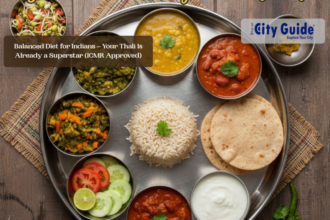
👉 Half your plate = vegetables & fruits
Why?
- Covers most vitamin and mineral needs
- Reduces disease risk
- Improves gut health
No supplement can replace:
- Fiber
- Phytonutrients
- Food synergy
What Works Everyday (No Tracking Needed)
The Color Rule
Each color = different micronutrients.
- 🟢 Green → iron, folate
- 🟠 Orange → vitamin A
- 🔴 Red → antioxidants
- 🟡 Yellow → anti-inflammatory compounds
- 🟣 Purple → brain-protective nutrients
More colors = better coverage.
Absorption Hacks Indians Should Know
- Iron + vitamin C = ✔️
- Turmeric + fat + pepper = ✔️
- Calcium + vitamin D = ✔️
- Raw + cooked veggies = ✔️
Micros don’t work alone—they work in teams.
Pitfalls to Skip
❌ “Supplements fix everything”
Food-based micros absorb better and work synergistically.
❌ “Spices are too small to matter”
Small amounts, big biochemical impact.
❌ “Only fruits give vitamins”
Vegetables and spices often offer more.
Practical Indian Meal Ideas (Micronutrient-Rich)
Breakfast
- Idli + tomato-onion chutney
(Lycopene + probiotics)
Lunch
- Bhindi sabzi + curd
(Zinc + calcium)
Snack
- Roasted makhana with chaat masala
(Magnesium + antioxidants)
Dinner
- Lauki sabzi + jeera rice
(Potassium + digestion support)
Budget-friendly. Seasonal. Powerful.
Bonus Micronutrient Insights
- Minerals activate vitamins
- Zinc boosts immunity 3x when combined with vitamin C
- Fresh ginger > powder for gut health
- Lime on dal improves iron use
One squeeze. Big gain.
Long-Term Wins of Micronutrient Sufficiency
Balanced micros:
- Prevent anemia (common in Indian women)
- Improve brain clarity
- Strengthen bones
- Support healthy aging
- Boost stamina for coaching, content, and life
You don’t need more food.
You need smarter variety.
Conclusion: Your Kitchen Is Already Your Pharmacy
Micronutrients don’t demand exotic foods or expensive supplements.
They ask for:
- Color
- Variety
- Freshness
- Traditional wisdom
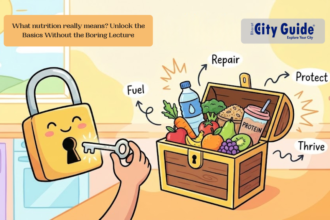
Your masala dabba is a treasure chest.
Your sabzi is silent medicine.
Sprinkle wisely.
Eat mindfully.
Feel unstoppable.
Frequently Asked Questions (FAQ)
Q1. Are micronutrients really that important?
Yes. Deficiencies impact immunity, energy, skin, and brain health.
Q2. Can I rely only on supplements?
No. Food-based micronutrients absorb better and work synergistically.
Q3. Which micronutrient do Indians lack most?
Vitamin D, iron, B12, magnesium, and zinc.
Q4. How can I improve absorption naturally?
Combine foods smartly (iron + lemon, turmeric + fat).
Q5. Do spices really count nutritionally?
Absolutely. They’re concentrated sources of antioxidants and bioactive compounds.
Today’s Food Habit Tip
👉 Add at least one colorful vegetable to every meal.
Reflection Question
💭 What’s one micronutrient-rich food you ate—or missed—today?