Tata Motors launched the Tata Punch facelift 2026 on January 13, 2026, bringing fresh styling, turbo-petrol power, and EV-inspired tech to India’s top-selling micro SUV. With a starting price of ₹5.59 lakh, the Punch facelift has returned with a stronger punch—literally—aimed at young urban buyers who want a safe, fun, and affordable SUV.
- Launch Context: Why the Punch Facelift Matters
- Design & Road Presence: EV-Inspired Look, Strong Stance
- Engine & Performance: Turbo Thrill, CNG Efficiency
- Ride Comfort & Handling: Stiff But Composed
- Interior, Features & Tech: Tech-Loaded Cabin
- Safety Features: Top-Class Protection
- Mileage, Range & Running Cost: Turbo vs NA vs CNG
- Price & Variants (Ex-Showroom)
- Who Should Buy the Tata Punch Facelift 2026?
- Who Should Avoid the Punch Facelift?
- Pros & Cons
- Things Dealers Won’t Tell You
- Ownership Cost Snapshot (12,000 km/year)
- Best Alternative
- Future Relevance (2026–2030)
- Final Verdict
- Quick Buyer Tip
- Reader Question
The facelift arrives amid a 2026 safety push, where buyers increasingly prioritise crash ratings and safety features. Tata has responded with a 5-star Bharat NCAP rating, CNG-AMT option, and upgraded tech, making the Punch facelift a strong competitor in the micro SUV segment.
The key question now is: Does the Punch facelift remain the value king, or has it become a premium micro SUV?
Launch Context: Why the Punch Facelift Matters
The Punch facelift is the first major update since the model’s launch in 2021. Tata introduced a new 1.2-litre turbo petrol engine (118 hp), a refreshed cabin, and 26 variants, including a CNG AMT option. This range ensures that there’s a Punch for almost every buyer—from first-time car owners to young families.
Bookings surged immediately after launch, and Tata priced the facelift aggressively, keeping it below many rivals while adding significant tech and safety features. This makes the Punch facelift ideal for buyers looking for an SUV-like experience under ₹10 lakh.
Design & Road Presence: EV-Inspired Look, Strong Stance
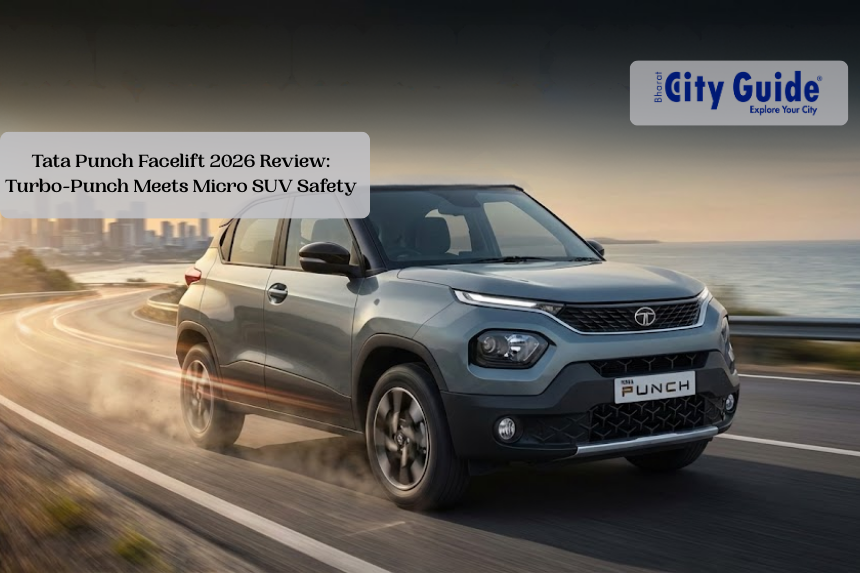
The facelifted Punch takes design cues from Tata’s EV lineup, giving it a modern and futuristic look. It features split LED headlamps, YD1 alloy wheels, and connected tail lamps that command attention on city roads.
At 1872mm wide, the Punch feels wider and more stable than many hatchbacks. With 193mm ground clearance, it easily handles speed breakers and ramp entries. The Daytona Grey colour looks especially sharp during monsoons, adding to its street presence.
The Punch facelift looks like a micro SUV that’s ready for both city traffic and weekend escapes.
Engine & Performance: Turbo Thrill, CNG Efficiency
The Punch facelift offers three powertrain options:
1.2L Naturally Aspirated Petrol
- Power: 72 hp
- Best For: City commutes
- Performance: Smooth and easy, but lacks excitement
1.2L Turbo Petrol
- Power: 118 hp
- Torque: 170 Nm
- Best For: Highway drives and overtaking
- Performance: 0–100 kmph in ~10 seconds, effortless overtakes
1.2L CNG
- Power: 72 hp
- Best For: Cost-conscious commuters
- Performance: Adequate for city driving
The turbo Punch is the standout, with strong mid-range torque that makes highway driving effortless. The turbo is available with both manual and AMT transmissions. The NA petrol is fine for city driving, while the CNG is best for budget-focused buyers.
Ride Comfort & Handling: Stiff But Composed
The Punch facelift’s ride is firm, but composed over speed breakers. The suspension setup is tuned for stability and handling, which means you’ll feel bumps more than in softer rivals, but the car remains controlled and confident.
The turbo engine’s torque masks road imperfections, making long drives more enjoyable. Safety features like ESP, 360-degree camera, and blind-spot monitoring help with urban manoeuvres, while the car remains stable in corners.
Rear seat space is okay for kids, but it can get bouncy when fully loaded.
Interior, Features & Tech: Tech-Loaded Cabin
The Punch facelift gets a refreshed cabin with modern tech features:
- 10.25-inch infotainment screen
- 7-inch digital instrument cluster
- Panoramic sunroof (top trims)
- Ventilated seats (top trims)
- 65W fast charger
- JBL audio system
- 366-litre boot
- Wireless Apple CarPlay and Android Auto
The cabin feels premium for the segment and is practical for daily use.
Safety Features: Top-Class Protection
Safety is a major highlight of the Punch facelift:
- 6 airbags (top trim)
- 5-star Bharat NCAP rating
- Hill hold and descent control
- TPMS (Tyre Pressure Monitoring System)
- 360-degree camera
- Blind-spot monitoring
- Disc brakes all around
Tata has made the Punch facelift one of the safest micro SUVs in India, which is a major advantage for family buyers.
Mileage, Range & Running Cost: Turbo vs NA vs CNG
Fuel efficiency varies by engine:
- NA petrol: ~20 kmpl
- Turbo petrol: ~18 kmpl
- CNG: ~28 km/kg
Running cost is roughly ₹5–7 per km, depending on the variant. Service cost is around ₹5,000 per year, and resale value is strong at around 80%.
Price & Variants (Ex-Showroom)
| Variant | Price (Ex-showroom) | Powertrain |
| Smart Pet MT | ₹5.60L | 1.2L NA Petrol |
| Accomplished Plus S CNG AMT (Top) | ₹10.55L | CNG AMT |
Who Should Buy the Tata Punch Facelift 2026?
- Urban youth who want an SUV vibe on a budget
- Families using the car for city runs
- CNG buyers seeking low running costs
- First-time car buyers looking for safety and tech
Who Should Avoid the Punch Facelift?
- Highway haulers who want high-speed stability
- Buyers looking for luxury interiors and plush ride
Pros & Cons
Pros
- Turbo engine offers strong performance
- Loaded with safety and tech
- Great value for money
- Very safe (5-star Bharat NCAP)
Cons
- Rear space is tight
- Turbo is thirstier
- Ride is firm
Things Dealers Won’t Tell You
- Turbo needs premium fuel for optimal performance
- CNG variants reduce boot space significantly
Ownership Cost Snapshot (12,000 km/year)
- Average purchase price: ₹7L
- Annual running cost: ₹40k
- Resale after 5 years: ₹5.5L
Best Alternative
Hyundai Exter – more refined ride and comfort, but less aggressive styling.
Future Relevance (2026–2030)
The Punch facelift is BS7-ready and compatible with CNG and turbo options. With an EV sibling already in the lineup, the Punch is expected to remain relevant until 2030.
Final Verdict
The Tata Punch facelift is worth buying, especially the Turbo MT for those who want fun and performance. If you’re not into turbo, wait for discounts or choose the NA variant.
Quick Buyer Tip
Test the turbo’s pull and check rear space before finalizing. The turbo is worth the premium only if you drive on highways frequently.
Reader Question
Is the Punch facelift turbo worth the premium over NA? What’s your take?
Share your thoughts in the comments!