It’s 7 PM. The Dal Is on the Floor. And You’re at Your Limit.
Picture this: It’s 7 PM in your Mumbai flat. The pressure cooker is still warm, your phone hasn’t stopped buzzing since you left work, and your 3-year-old has just flung her dal onto the floor because she suddenly wants only pizza.
- It’s 7 PM. The Dal Is on the Floor. And You’re at Your Limit.
- Why Toddler Tantrums Happen (It’s Not What You Think)
- Why This Stage Matters More Than You Realize
- Reframing the Battlefield: You’re Not the Enemy
- Practical, Gentle Parenting Tips You Can Try Today
- Common Parenting Pitfalls (We’ve All Been There)
- But What About Discipline?
- The Long-Term Impact: From Tantrums to Teen Years
- A Gentle Reminder for You, Parent
- Try This Today
Your body is tired. Your mind is fried. The neighbors are knocking. And inside your head, one thought screams louder than your toddler:
“Why is this happening every single day?”
If this scene feels painfully familiar, take a breath. You are not failing. You are not alone. And most importantly—your child is not being “bad.”
Toddler tantrums feel like a battlefield because, in many ways, they are. But not a battle between you and your child—it’s a battle happening inside your child’s developing brain.
And once you understand that, everything changes.
Why Toddler Tantrums Happen (It’s Not What You Think)
In today’s fast-paced world, we often expect children to behave like mini-adults. We want logic, patience, and cooperation—especially when we’re exhausted ourselves.
But here’s the truth:
Toddlers don’t throw tantrums because they want to control you. They throw tantrums because they cannot yet control themselves.
The Science Behind the Meltdown
A toddler’s brain is still under construction. The emotional center of the brain (the amygdala) is highly active, while the rational, calming center (the prefrontal cortex) is still years away from being fully developed.
That means:
- Your child feels emotions intensely
- She does not yet have the skills to regulate those emotions
- Language skills lag behind emotional experiences
So when your toddler wants pizza instead of dal, it’s not about food. It’s about:
- Feeling unheard
- Feeling powerless
- Feeling overwhelmed
Her tantrum is her nervous system saying: “This is too much for me.”
Why This Stage Matters More Than You Realize
Many parents are told to ignore tantrums or “be strict” so children don’t become spoiled. While boundaries are important, emotional dismissal comes at a cost.
When a child’s big feelings are repeatedly ignored, shamed, or punished, those feelings don’t disappear. They get buried.
And buried emotions have a way of resurfacing later—as:
- Anxiety
- Low self-esteem
- Anger issues
- Difficulty handling exams, peer pressure, or failure
On the other hand, children who are supported through emotional storms grow up learning:
- “My feelings are valid.”
- “I can calm myself with help.”
- “Big emotions don’t make me bad.”
This is how emotional resilience is built—from the very first tantrum.
Reframing the Battlefield: You’re Not the Enemy
Here’s a powerful shift:
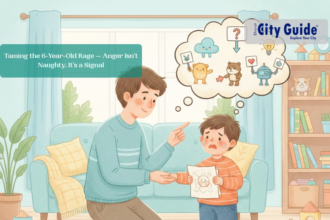
Instead of seeing tantrums as defiance, start seeing them as distress signals.
Your role is not to “win” against your child.
Your role is to be the calm, steady presence your child borrows until she can build her own.
This doesn’t mean permissive parenting. It means loving leadership.
Practical, Gentle Parenting Tips You Can Try Today
These strategies are simple, science-backed, and realistic—even on exhausting weekdays.
1. Name the Feeling (Before Fixing the Behavior)
When emotions are high, logic won’t work. Connection comes first.
Instead of:
“Stop crying right now.”
Try:
“I see you’re angry the dal isn’t pizza. It’s okay to feel mad.”
Why this works:
- Naming emotions activates the thinking part of the brain
- Your child feels seen, not judged
- Emotional intensity often reduces on its own
You’re not approving the behavior—you’re acknowledging the feeling.
2. Offer Two Simple Choices
Toddlers crave independence but feel powerless most of the day. Choices give them control within your boundaries.
Instead of:
“You have to eat this.”
Try:
“Dal or roti? You choose.”
Why this works:
- Reduces power struggles
- Builds decision-making skills
- Keeps you in charge without force
Make sure both choices are acceptable to you.
3. Regulate Before You Educate
During a tantrum, your child cannot learn a lesson.
First, help her calm down.
A simple technique:
- Get down to her level
- Offer a hug or gentle touch
- Stay quiet for 10 seconds
Why hugs matter:
- Physical touch releases oxytocin
- It lowers stress hormones
- It helps reset the nervous system
This is not “giving in.” This is co-regulation.
4. Talk After the Storm, Not During
Once your child is calm, then you can gently guide.
For example:
“You were very upset earlier. Next time, we can say ‘I want pizza’ instead of throwing food.”
Short. Simple. No lectures.
Common Parenting Pitfalls (We’ve All Been There)
Let’s talk honestly—because parenting is hard.
❌ Yelling Back
When we yell, we’re modeling exactly what we don’t want our children to do under stress.
It teaches:
- “Big emotions should be feared.”
- “Power wins over understanding.”
❌ Giving In Every Time
If tantrums always result in pizza, toys, or screen time, children learn:
- “Meltdowns are tools.”
Balance is key: Validate feelings, hold boundaries.
But What About Discipline?
Discipline doesn’t mean punishment. It means teaching.
Gentle discipline focuses on:
- Skill-building
- Emotional awareness
- Long-term behavior, not short-term silence
A calm child is a child who can learn.
The Long-Term Impact: From Tantrums to Teen Years
Here’s what research and real-life experience show:
Children who learn to name and manage emotions early are more likely to:
- Handle exam stress without breaking down
- Resist negative peer pressure
- Communicate needs clearly
- Develop healthy self-esteem
That 3-year-old throwing dal today?
She’s learning how the world responds to her feelings.
And you are shaping that lesson.
A Gentle Reminder for You, Parent
If you’re reading this, it means you care.
And caring—even when you’re tired, overwhelmed, and doubting yourself—is what makes you a good parent.
You won’t get it right every time. No one does.
But every time you choose connection over control, you’re planting seeds for a confident, emotionally strong future.
Try This Today
The next time your toddler melts down, pause and ask yourself:
“What is my child feeling right now?”
Then name that feeling out loud.
One hug today can change tomorrow.
Reflection Question
What’s one feeling you’ll try to name with your little one this week?
This is Day 1 of our Gentle Parenting series. Stay tuned for Day 2: Setting Boundaries Without Guilt.